

News
-
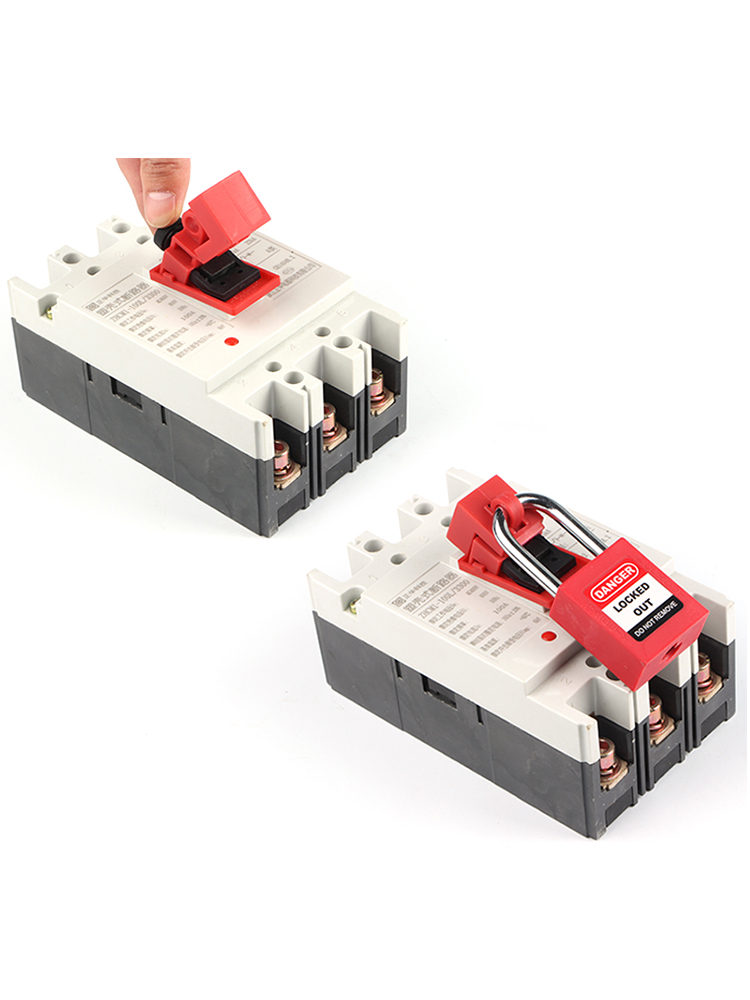
10 Essential Steps for Electrical Safety
10 Essential Steps for Electrical Safety One of the most important responsibilities of any facility’s management is to keep employees safe. Each facility will have a different list of potential hazards to address, and properly addressing them will protect employees and contribute to the fac...Read more -
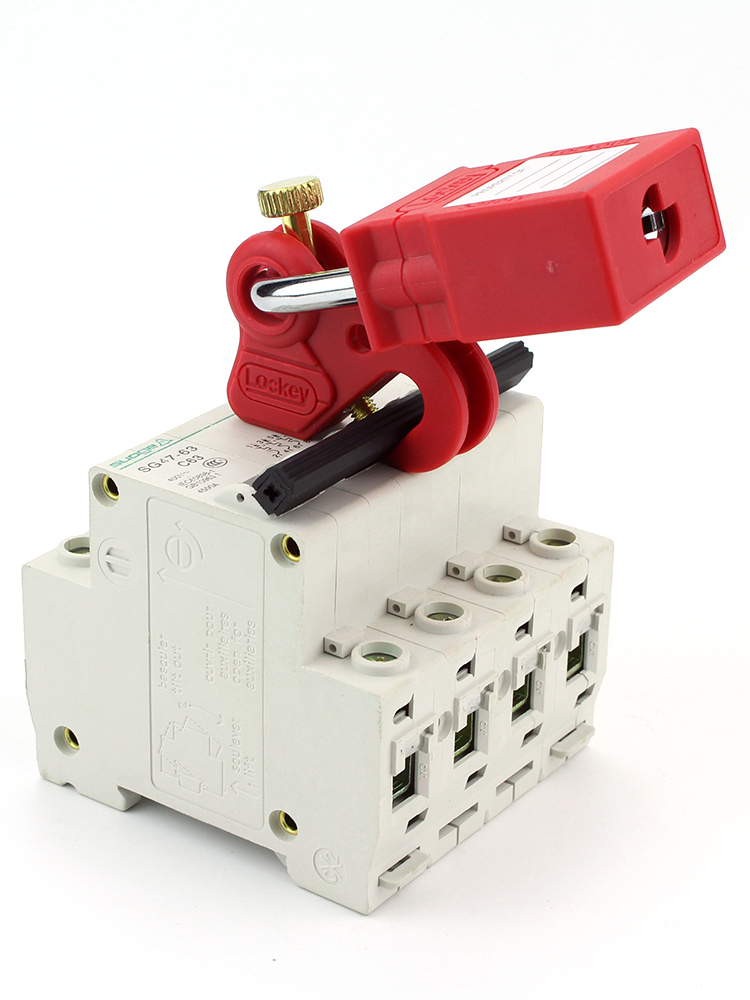
OSHA’s Lockout/Tagout Program to Control Hazardous Energy
Lockout/tagout refers to a safety procedure that is used in a variety of industries including manufacturing, warehouses, and research. It ensures machines are properly shut off and cannot be turned back on until maintenance being done on them is completed. The main goal is to protect those who ar...Read more -
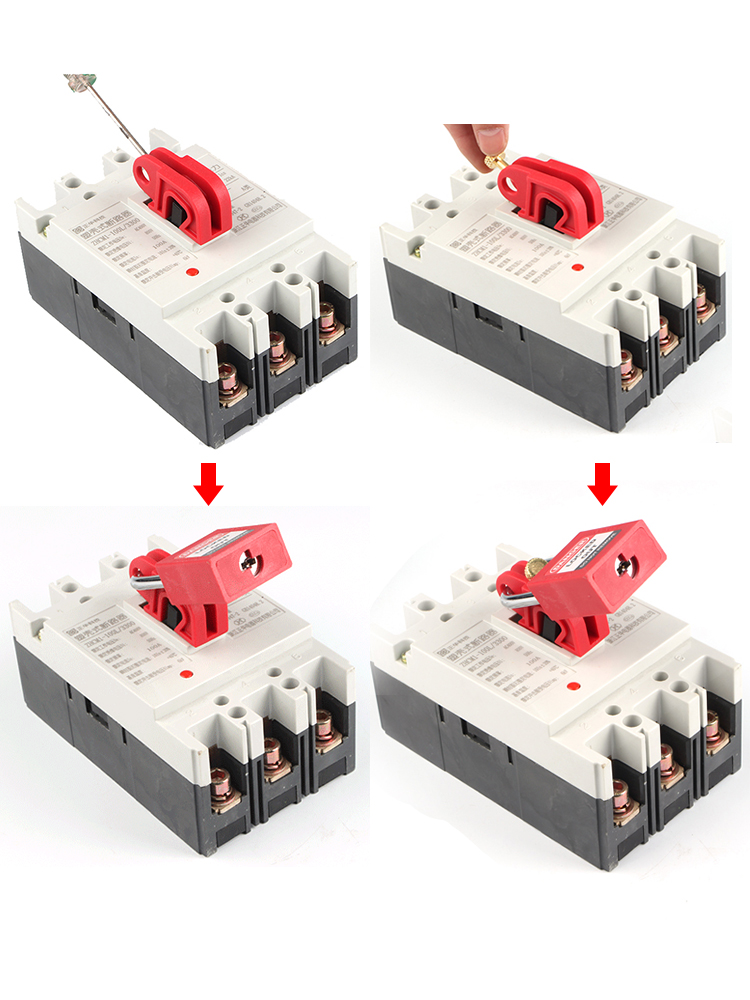
Who is OSHA meant to protect?
Workers are protected by both regulations that employers must adhere to as well as protection to file complaints and concerns against their own workplace. Under OSHA law, employees have the right to: OSHA protectionA workplace that does not contain serious hazards that could otherwise be controll...Read more -
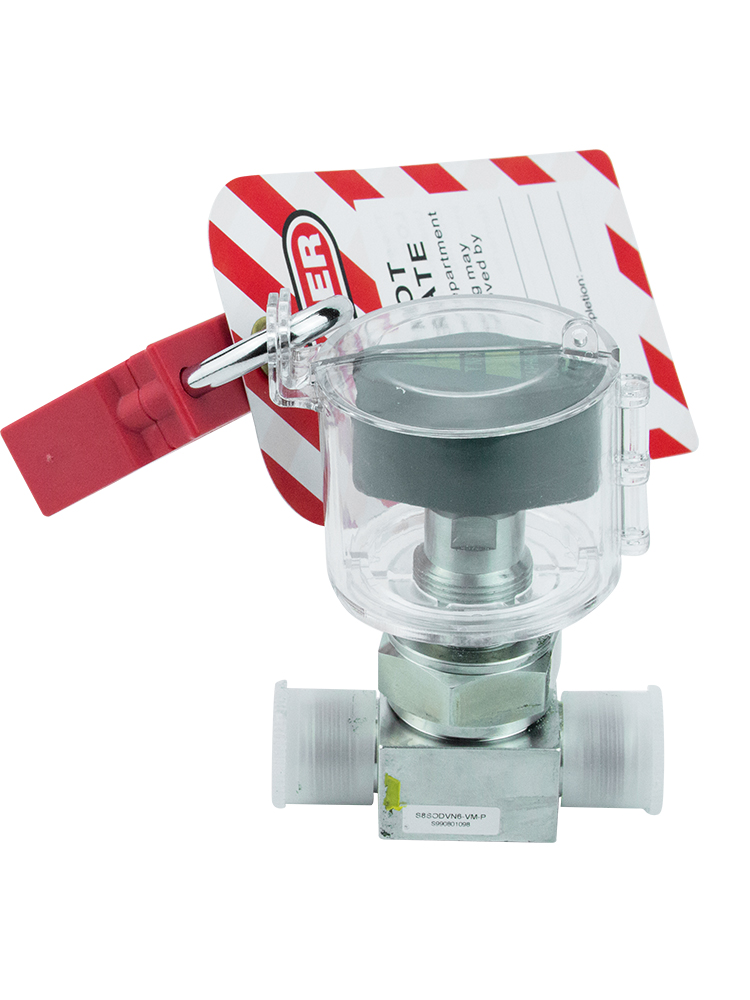
Lockout Tagout accident case
Lockout Tagout accident case The night shift was assigned to clean a mixing container. The shift leader asked the main operator to complete the “locking” work. The main operator Lockout and tagout the starter in the motor control center, and confirmed that the motor did not start by p...Read more -
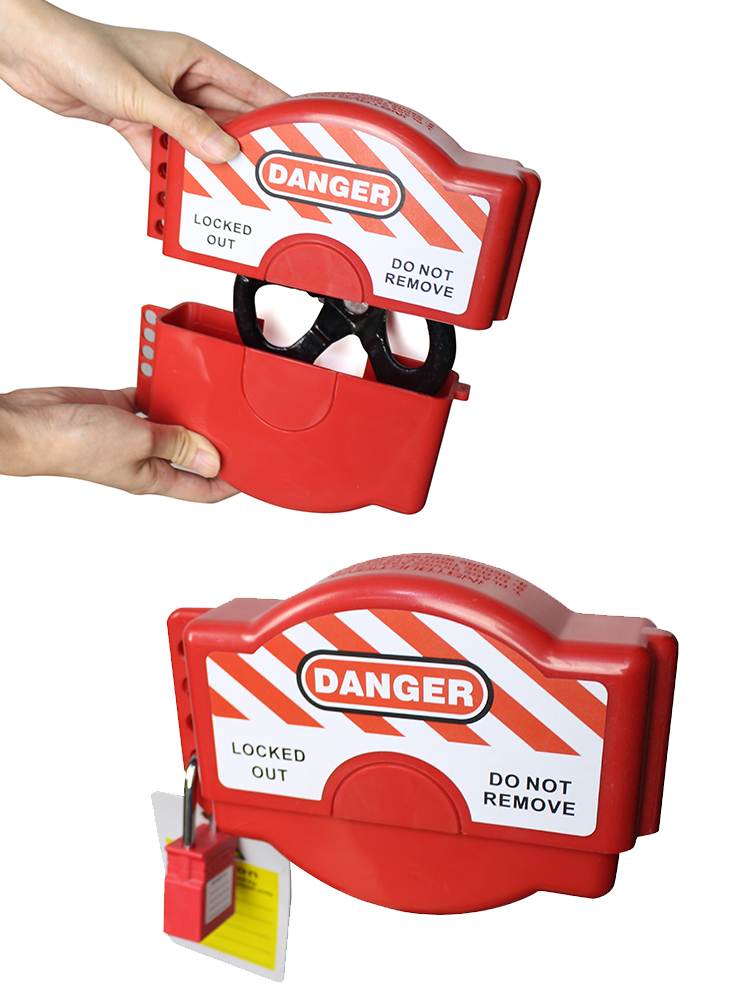
OSHA Standards & Requirements
OSHA Standards & Requirements Under OSHA law, employers have the responsibility and obligation to provide a safe workplace. This includes providing workers with a workplace that does not have serious hazards and adhering to the safety and health standards that OSHA has set forth. Employers ar...Read more -
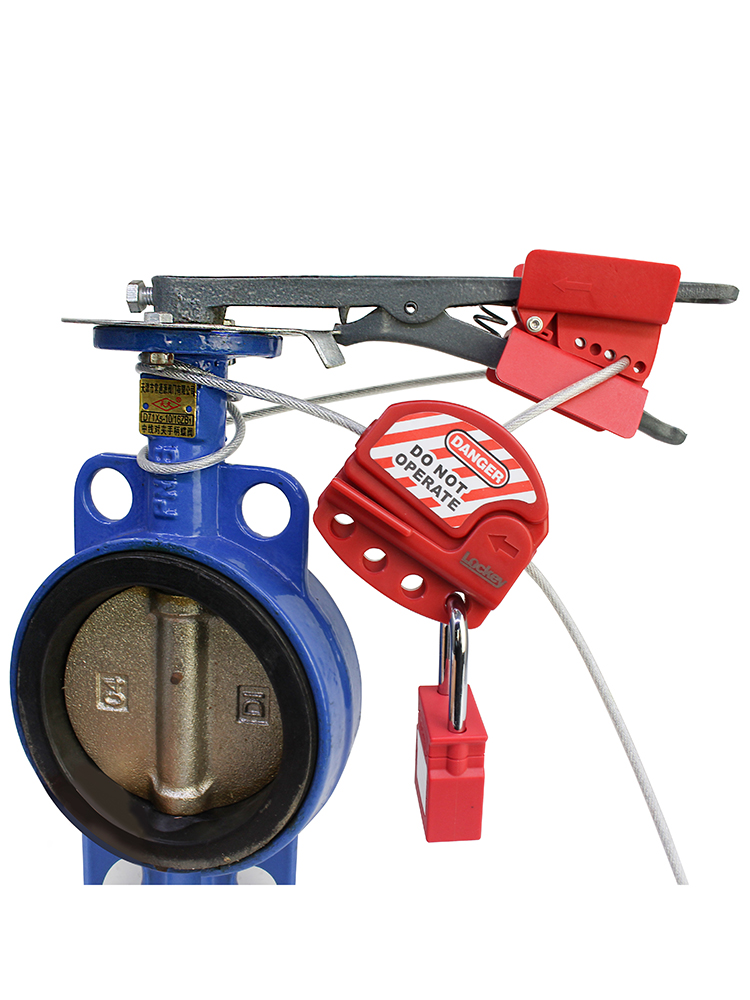
Lockout tagout is lifted
Lockout tagout is lifted Remove all tools from the work area to ensure the safe operation of the machine; Also ensure that the machine is fully installed. Only go to roll call by way of ensuring that all employees are kept away from hazardous areas of equipment. Also inform all personnel on site ...Read more -
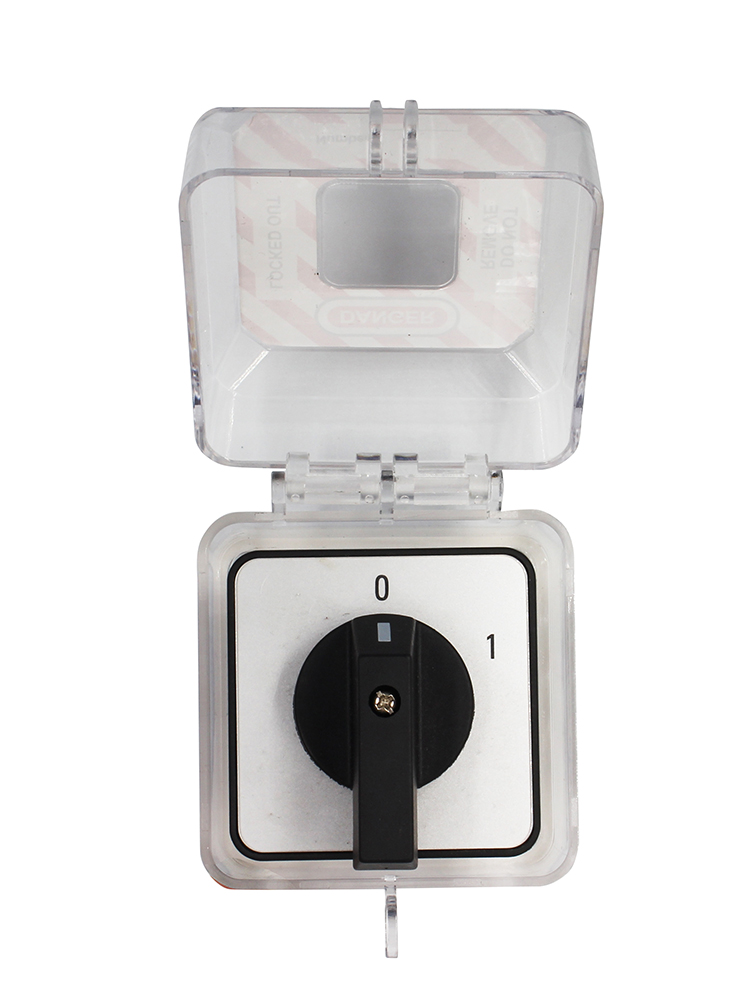
Release of stored energy
Release of stored energy Check the machine to make sure all parts of the equipment are not working Release any remaining pressure To trap or support a component that may fall Open the exhaust valve to remove the gas from the line If the energy is allowed to continue, it must be carefully monitore...Read more -
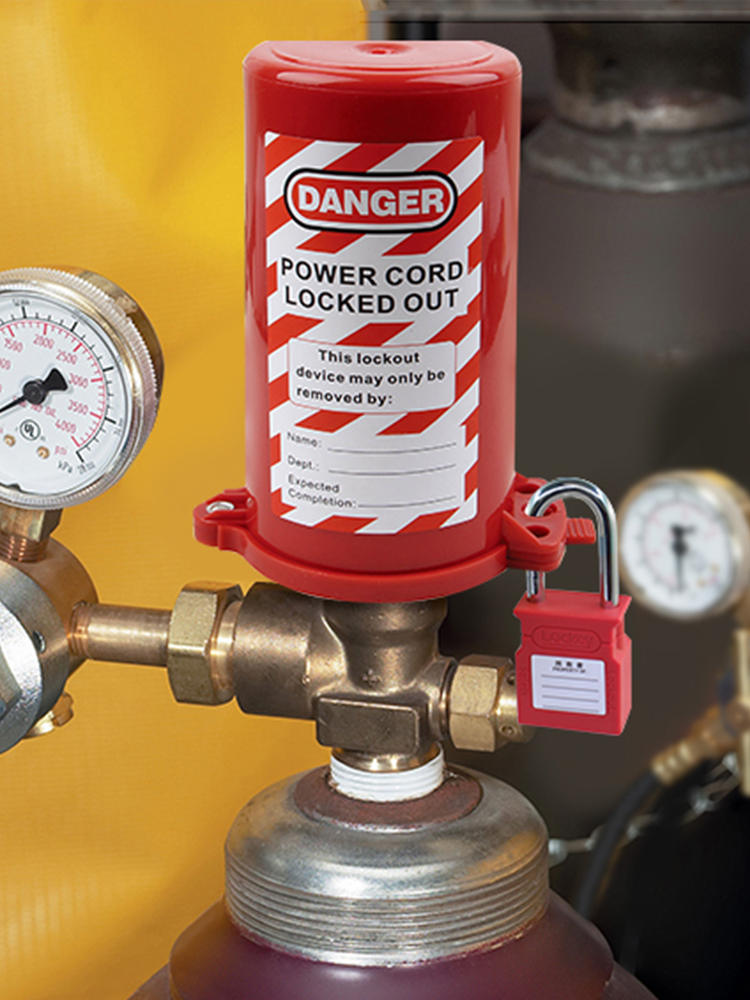
Lockout Tagout scope and application
Lockout Tagout scope and application Basic principles of Lockout Tagout: The energy of the device must be released, and the energy isolation device must be locked or Lockout tag. Lockout tagout must be implemented when the following activities are involved in the repair or maintenance operation:...Read more -
Supervisor Responsibilities
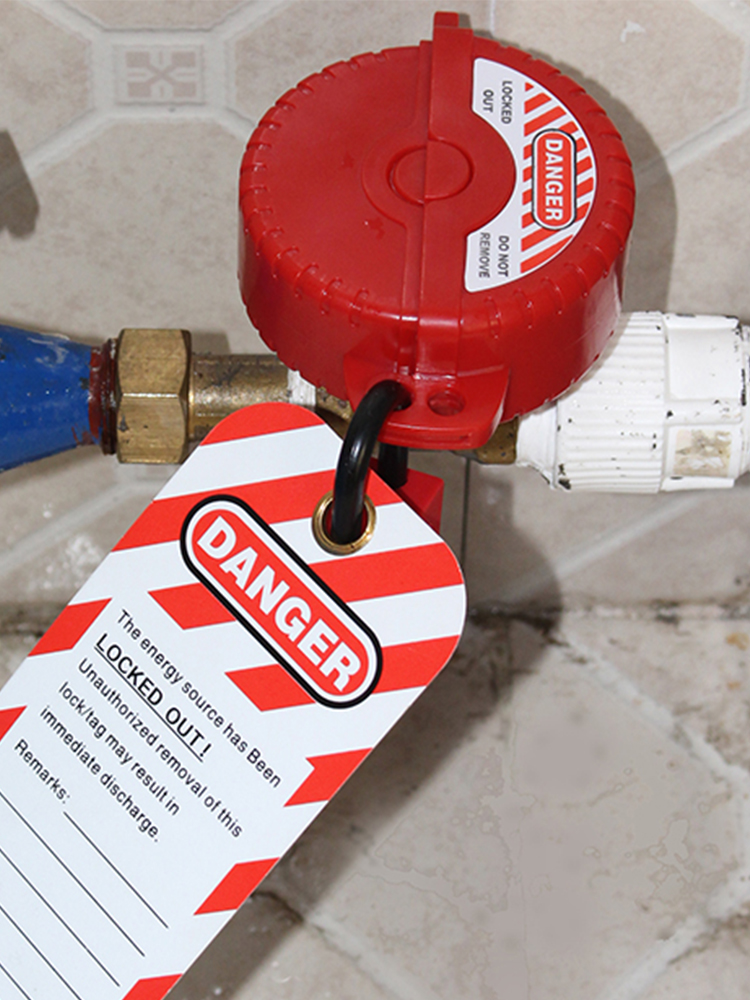
Supervisor Responsibilities The job responsibilities of a supervisor are critical when it comes to the enforcement of LOTO procedures. Here we will outline some of the main responsibilities of the supervisor in regards to lockout/tagout. FREE Lockout Tagout Guide!Create Equipment Specific LOTO Pr...Read more -

Lockout Vs Tagout – What’s the Difference?
Proper locks: Having the right type of locks will go a long way toward ensuring lockout/tagout is successful. While you technically can use any type of padlock or standard lock to secure power to a machine, a better option is locks that are made specifically for this purpose. A good lockout/tagou...Read more -
Performing Routine Maintenance
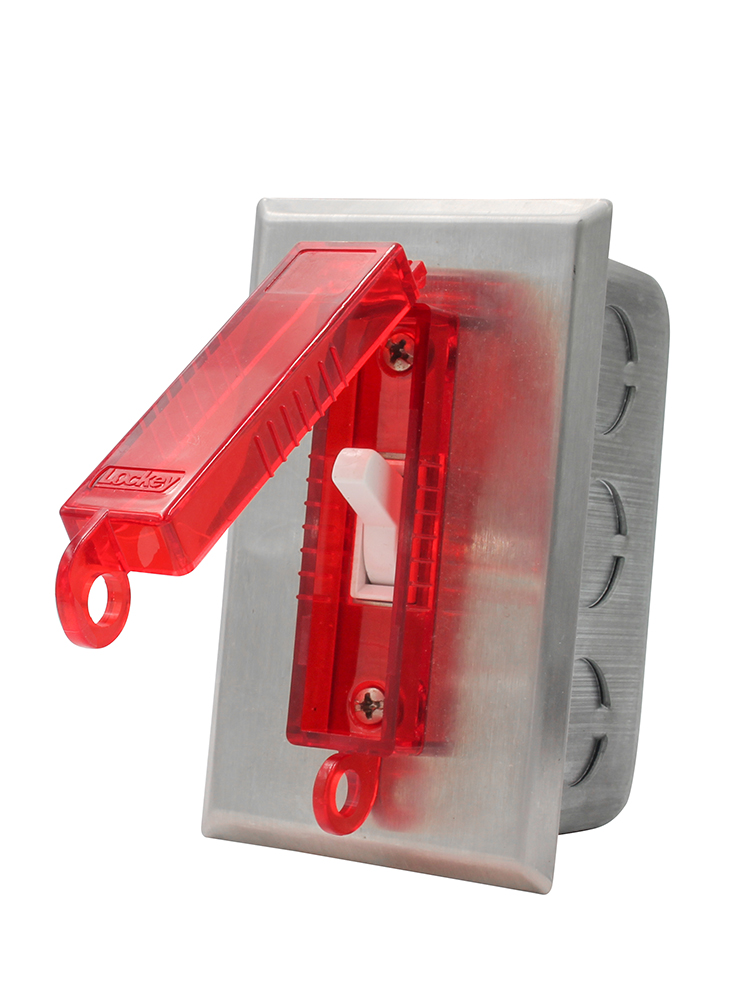
Performing Routine Maintenance When maintenance professionals enter a hazardous area of a machine to perform routine work, the lockout/tagout program must be used. Large machinery often needs to have fluids changed, parts greased, gears replaced, and much more. If someone has to enter the machine...Read more -
Employees Working in & Around Machinery
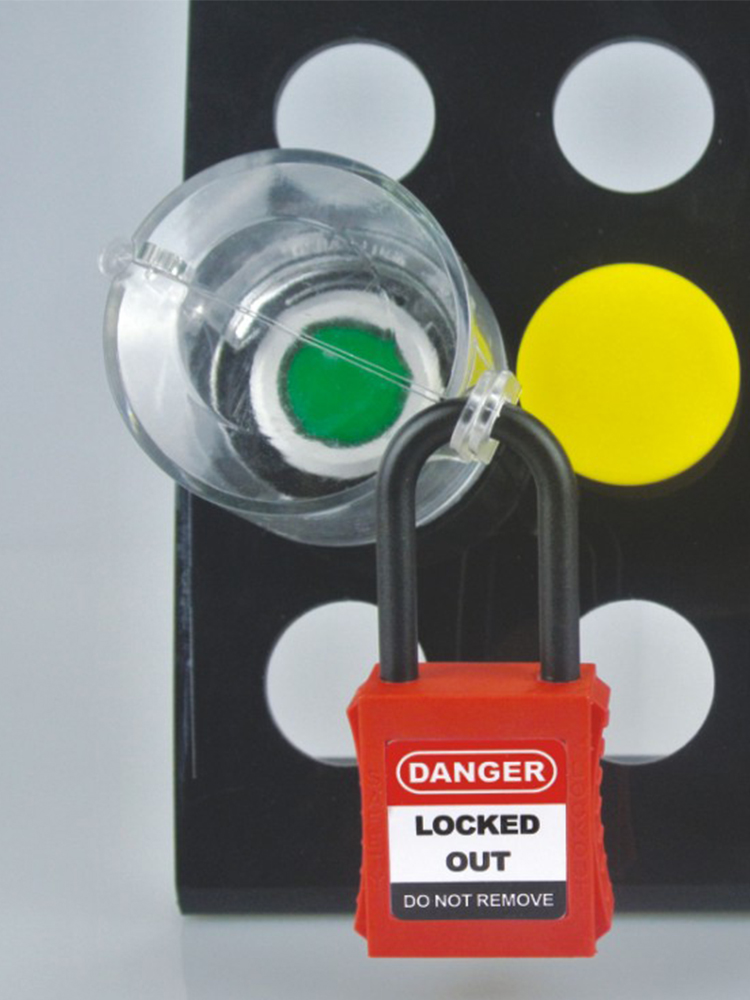
Employees Working in & Around Machinery The most direct benefit from LOTO is going to be for the employees who work in and around heavy machinery. Prior to the widespread implementation of this program hundreds of people would be killed each year, and thousands more injured, because of accide...Read more


