

News
-
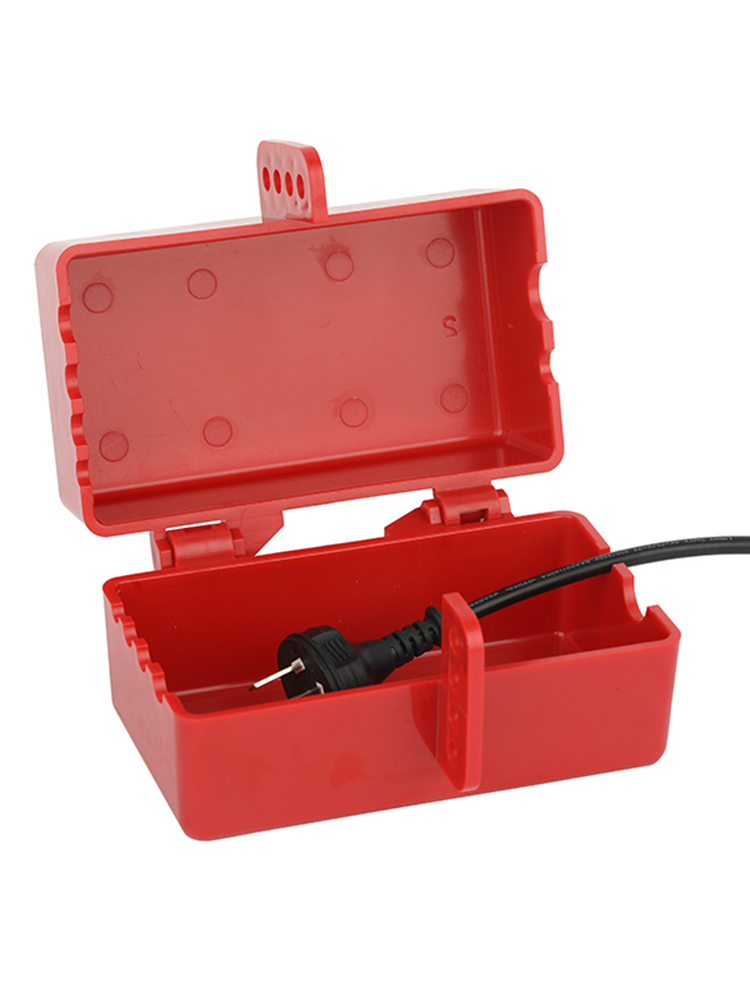
More LOTO Resources
More LOTO Resources Using proper lockout/tagout safety procedures isn’t just important for employers, it’s a matter of life or death. By following and applying OSHA’s standards, employers can provide an extra layer of protection to workers doing maintenance and service on machines and equipment w...Read more -
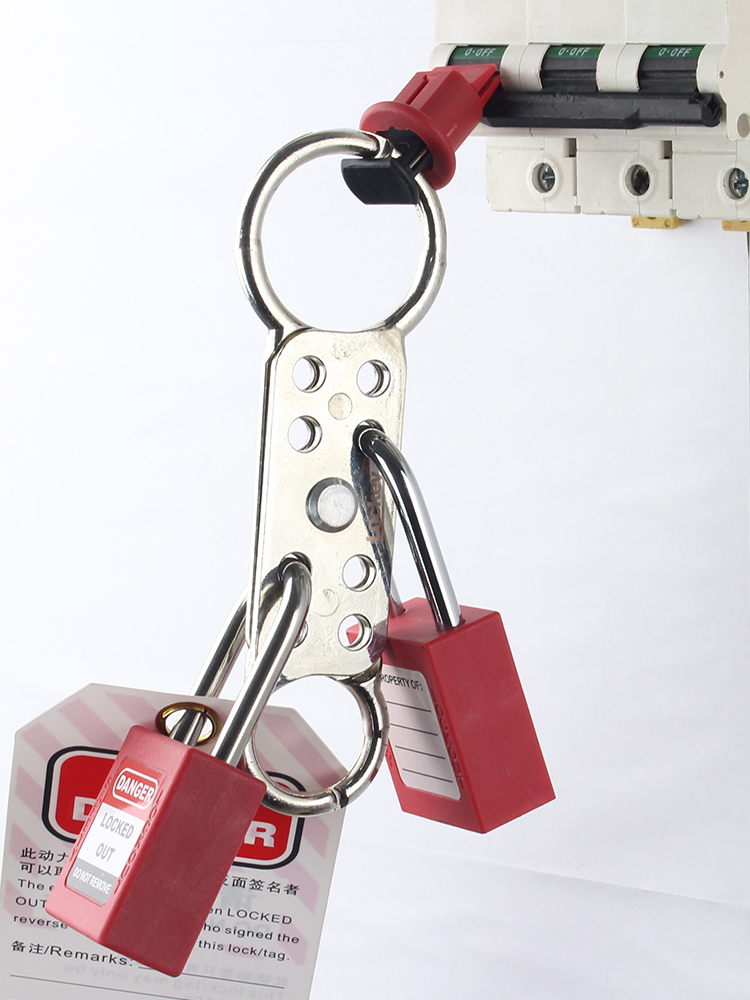
The Role of Auditing in LOTO Programs
The Role of Auditing in LOTO Programs Employers should engage in frequent inspections and reviews of lockout/tagout procedures. OSHA requires reviewing at least once a year, but reviews other times during the year can add an extra layer of safety to the company. An authorized employee not current...Read more -
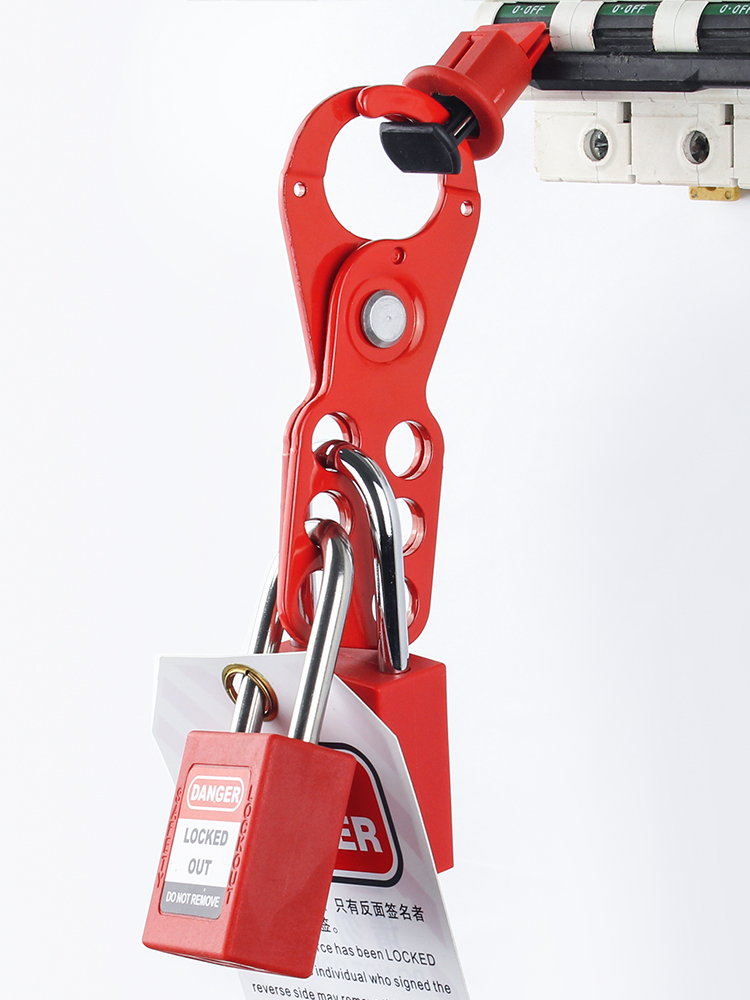
Lockout tagout procedures
Lockout tagout procedures Controlling hazardous energy in 8 steps Manufacturing facilities are usually abuzz with machines running and operators ensuring production goals are met. But, occasionally, equipment needs to undergo maintenance or be serviced. And when that happens, a safety procedure c...Read more -
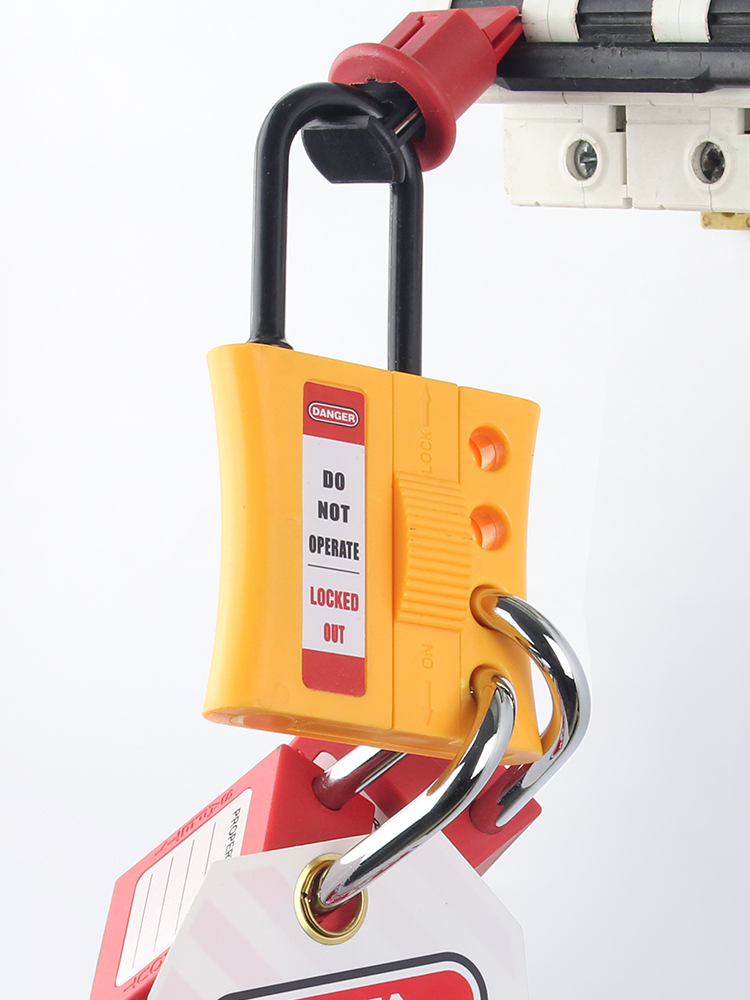
Brief description of energy cut-off and Lockout tagout
Brief description of energy cut-off and Lockout tagout With industrial production efficiency continuously improve, more and more automated production line equipment and facilities, also produced a lot of security problems in the process of application, because the risk of automation equipment or ...Read more -
Lockout tagout case
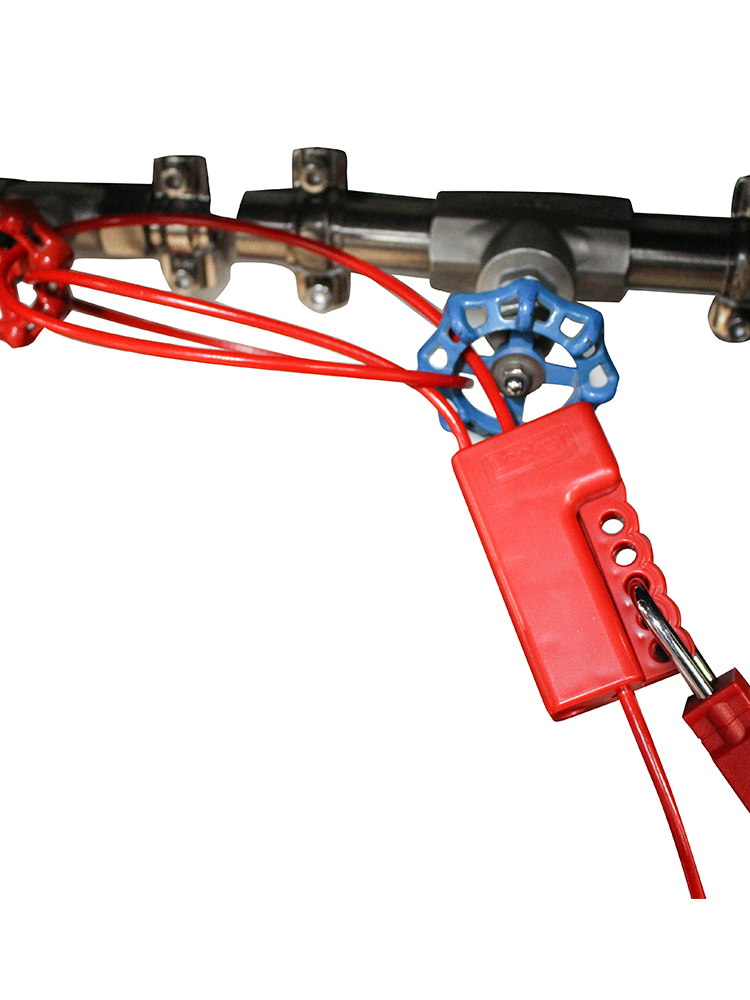
Lockout tagout case Hand cutting event of diaphragm cutter of coiling machine The sensor of the front limit of the motor of the diaphragm cutter was abnormal, and the employee stopped the machine to check and found that the sensor was not bright. It was suspected that there was dust shielding. Th...Read more -

Safeopedia Explains Lockout Tagout (LOTO)
Safeopedia Explains Lockout Tagout (LOTO) LOTO procedures must be put in place at the workplace level – that is, all employees must be trained to use the exact same set of LOTO procedures. These procedures usually include the use of both locks and tags; however, if it is not possible to app...Read more -

Lockout/Tagout Basics
Lockout/Tagout Basics LOTO procedures must adhere to the following basic rules: Develop a single, standardized LOTO program that all employees are trained to follow. Make use of locks to prevent access to (or activation of) energized equipment. The use of tags is only acceptable if the tagout pro...Read more -
10 key steps for lockout/tagout procedures
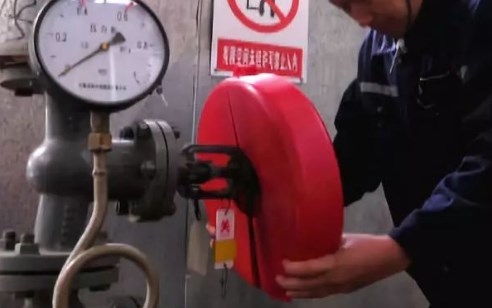
10 key steps for lockout/tagout procedures Lockout/tagout procedures involve several steps, and it’s important to complete them in the correct order. This helps ensure the safety of everyone involved. While the details of each step may vary for each company or type of equipment or machine,...Read more -
Completing the Lockout/Tagout
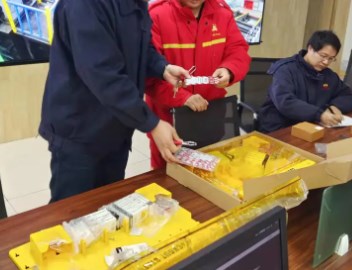
Completing the Lockout/Tagout Before affected employees can reenter the area, the authorized person must: Make sure tools, spare parts, and debris are removed Make sure parts, especially safety parts are correctly reinstalled Remove locks and tags from energy isolation points Re-energize equipmen...Read more -

Lockout/Tagout is Part of an Energy Control Program
Lockout/Tagout is Part of an Energy Control Program Every workplace should have an energy control program in place, with LOTO safety being one part of that program. An energy control program includes established procedures for using locks and tags; the locks and tags themselves; training workers ...Read more -
The Purpose of Lockout/Tagout and LOTO Safety
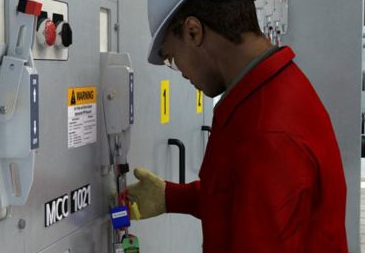
The Purpose of Lockout/Tagout and LOTO Safety When machines or equipment are being prepared for service or maintenance, they often contain some form of “hazardous energy” that can cause harm to people in the area. Without the use of proper LOTO safety procedures, the serviced equipment can unexpe...Read more -
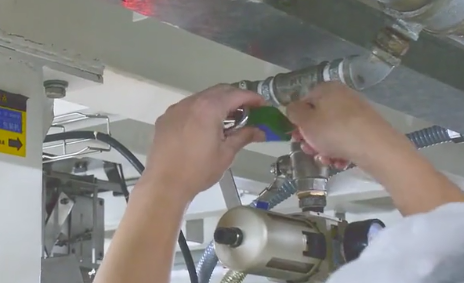
Results: Quickly and easily use Lockout/Tagout
Challenge: Optimise workplace safety Workplace safety is of major importance to many businesses. Sending all employees home at the end of every shift is perhaps the most humane and efficient action any employer can take to really value their people and the work they do. One of the solutions the l...Read more


